Advanced Hip Arthroscopy Surgery
Move Freely Again with Expert Hip Care
Hip arthroscopy is a minimally invasive procedure that uses a small camera, called an arthroscope, to look inside the hip joint and diagnose or repair damage without a large incision, treating everything from labral tears to cartilage injuries with less downtime than open surgery.
At HighRise Orthopedic and Spine Care, Dr. Stuart Springer brings more than 40 years of experience as a board-certified orthopedic surgeon specializing in arthroscopic surgery, with offices across New York and New Jersey. He takes the time to understand each patient's goals before recommending a treatment plan, and patients recovering from a sports injury, a workplace accident, no fault accident, or other form of personal injury can count on that same thorough evaluation.
If hip pain, stiffness, or instability is holding you back, request an appointment with HighRise Orthopedic and Spine Care today.
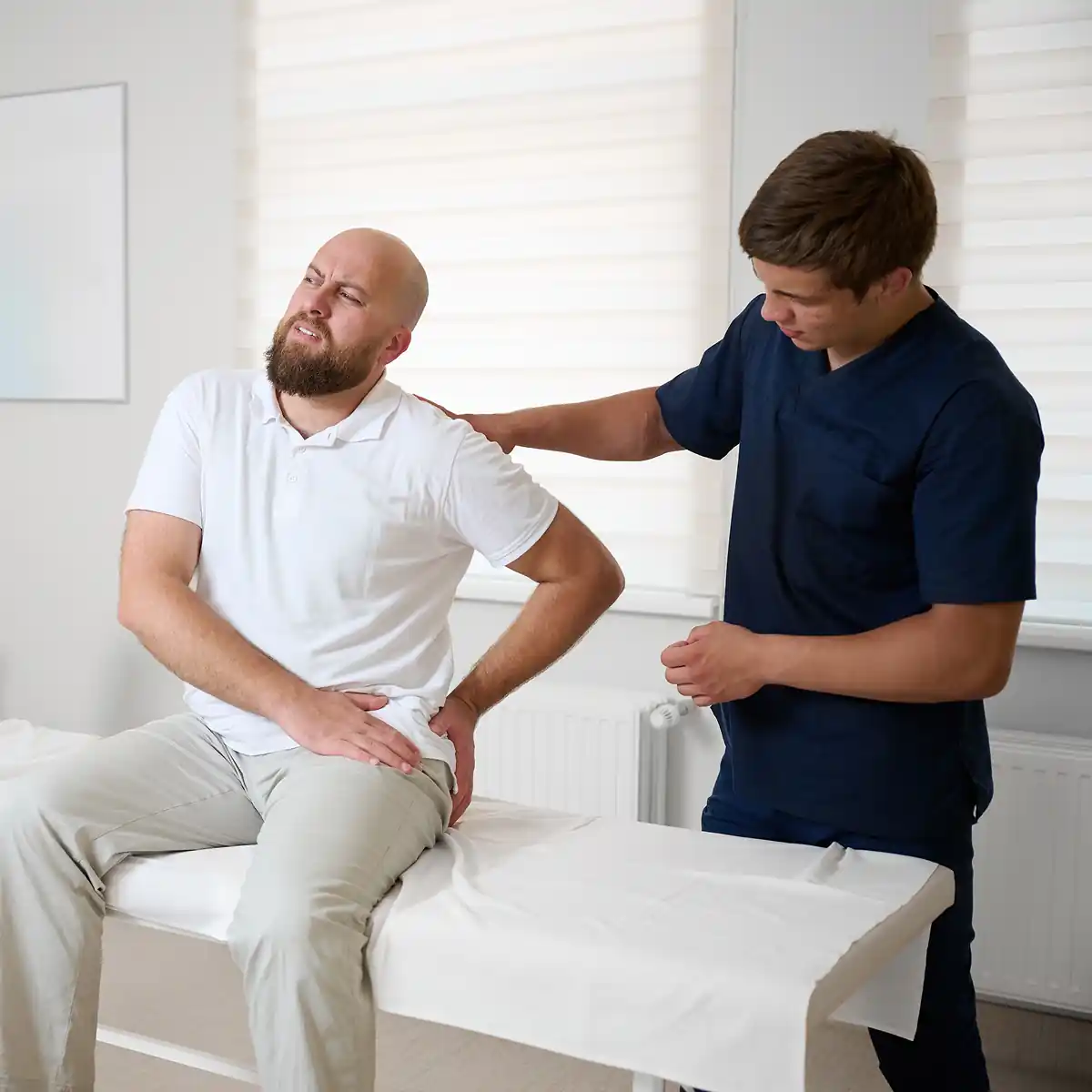
What to Expect from Hip Arthroscopy Surgery
Understanding the Procedure and Recovery
Hip arthroscopy is one of several arthroscopic procedures offered at HighRise Orthopedic and Spine Care, alongside similar treatments for the knee, shoulder, and ankle.
What Hip Arthroscopy Can Treat
Hip arthroscopy can diagnose and treat several common sources of joint pain and instability, including:
- Labral tears, where the cartilage rim of the hip socket is damaged
- Femoroacetabular impingement (FAI), a condition where the bones of the hip rub abnormally
- Loose fragments of bone or cartilage
- Synovitis, or inflammation of the joint lining
- Snapping or catching sensations in the hip
How the Procedure Works
The surgeon makes a few small incisions around the hip. The arthroscope goes in through one incision to give a clear, magnified view of the joint, while small instruments work through the others to repair damaged tissue, including labral repair when needed. Most patients go home the same day.
What Recovery Looks Like
Recovery unfolds in stages, and most patients move through them like this:
- Right After Surgery: Crutches or a walker are often used briefly to protect the joint while initial healing begins.
- First Few Weeks: Many patients gradually increase weight-bearing and daily activity, depending on the extent of the repair.
- Longer Term: Physical therapy is often recommended to rebuild strength, stability, and range of motion.
Frequently Asked Questions
What is hip arthroscopy, and how is it different from a hip replacement procedure?
Hip arthroscopy is a minimally invasive procedure used to diagnose and repair damage inside the hip joint, such as labral tears or impingement, using a small camera and instruments through tiny incisions. A hip replacement procedure is a more extensive surgery that removes and replaces damaged parts of the joint with an artificial implant, typically reserved for advanced arthritis or severe joint damage that arthroscopy can't address. Your provider can help determine which approach fits your specific condition.
What conditions can hip arthroscopy treat?
Hip arthroscopy can diagnose and treat a wide range of joint problems, including labral tears, femoroacetabular impingement, loose fragments of bone or cartilage, and inflammation of the joint lining. It's often recommended when hip pain or stiffness hasn't improved with rest or physical therapy. Because the procedure allows direct visualization of the joint, it gives your provider a precise understanding of the issue, which often leads to a more targeted and effective treatment plan than relying on imaging alone.
What happens during my consultation for hip arthroscopy?
Most patients come to us already diagnosed with a labral tear, femoroacetabular impingement, or another joint problem, often after other treatment hasn't provided lasting relief. During your consultation, Dr. Springer reviews your imaging and treatment history to confirm the right surgical approach for your specific injury, so you know exactly what to expect heading into surgery and recovery.
Will transportation be provided on the day of my surgery?
Yes. The surgical center provides transportation to and from the center on the day of your surgery, so you don't have to worry about driving or finding parking. New York and New Jersey both require a companion to accompany you on the day of surgery, and this service helps take care of that requirement too, which is often a relief for patients who don't have someone available to drive them.
Why should I choose HighRise Orthopedic and Spine Care for hip arthroscopy near me?
At HighRise Orthopedic and Spine Care, hip arthroscopy is just one part of a broader arthroscopic practice that also covers the knee, shoulder, and ankle. Dr. Springer's 40+ years of orthopedic experience means patients get the same thorough, board-certified care whether they're dealing with a hip labral tear or other joint injury.
Our team also supports patients navigating sports injuries, workplace accidents, no fault, and personal injury cases with attentive, coordinated care.